Canadians Enjoy FREE Shipping & Handling for a limited time!
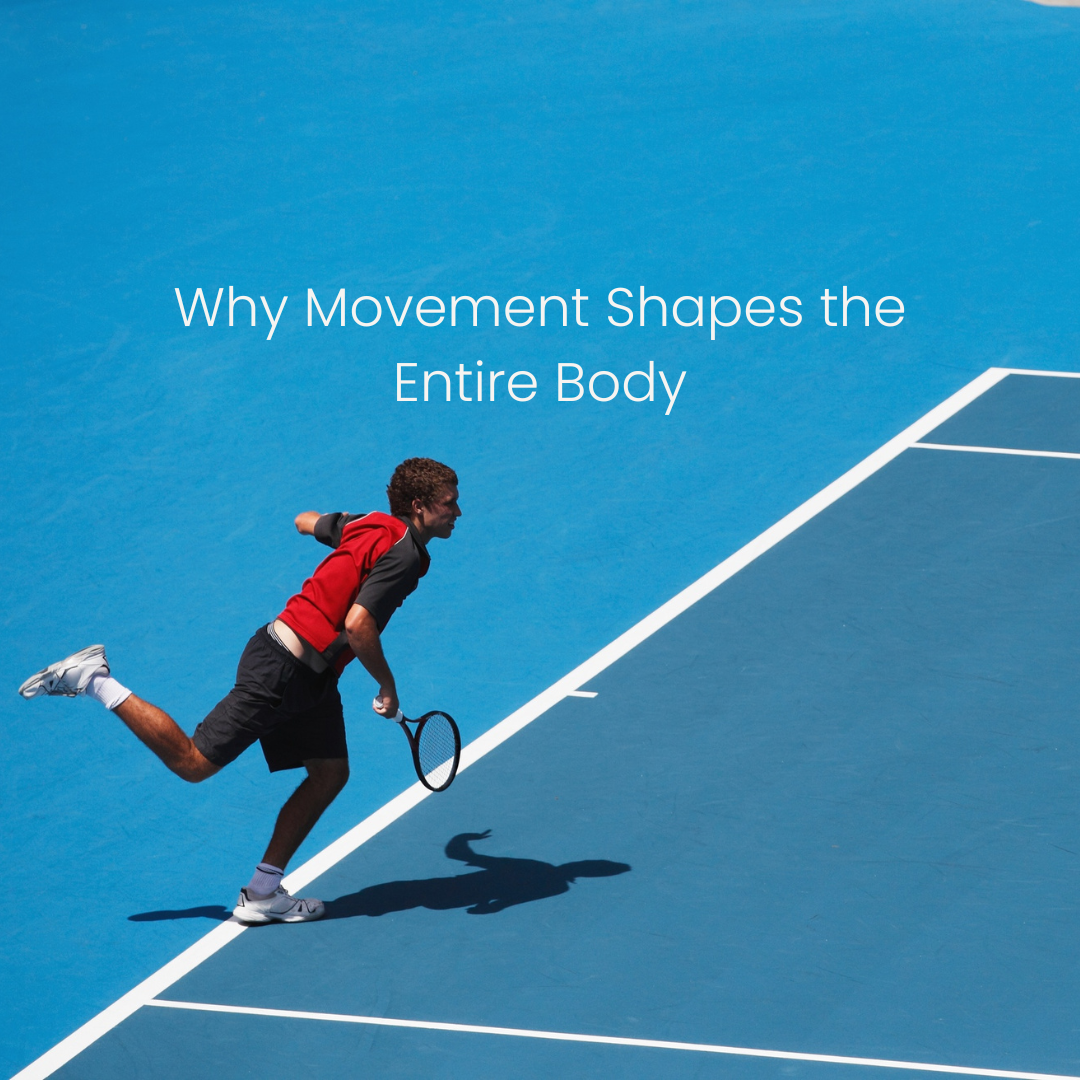
The most effective exercise routine is one that can be sustained. Consistency matters more than intensity, especially when movement supports the rest of the system.
Exercise is often reduced to one question:
“How much should I work out?”
But from a biological perspective, that’s the wrong place to start.
The effects of movement extend beyond muscles, shaping metabolic health, immune responses, and mood over time.
In a recent Peptide PhDs podcast episode, the science team explored exercise as one of the four core pillars of health and explained why its impact reaches far beyond fitness.

Muscle isn’t passive. When it contracts, it releases signaling molecules that communicate with other organs.
These signals help regulate:
This is one reason exercise affects energy and resilience even when body composition doesn’t change right away.
.png)
Not all exercise works the same way.
A balanced approach gives the body a wider range of signals to work with.
.png)
When movement is absent for long stretches, the body becomes less efficient at responding when activity resumes.
As signaling decreases, it often becomes harder to regain momentum. Energy drops. Recovery slows. Motivation feels harder to access.
What may look like a willpower failure is often just a biological one.
Movement interacts constantly with the other pillars:
Exercise works best when it’s treated as part of a system, not an isolated task.

Stay present and mentally clear this summer with 3 tips from MAKE Wellness. Support focus, energy, and balance with movement and mindful practices daily.
read
Stay consistent, save money, and simplify your routine with MAKE Wellness Subscribe & Save. Automatic delivery, flexible scheduling, and free shipping over $100.
read
From NCAA champion to lifelong competitor, Tyler found in MAKE Wellness the tools, energy, and community to push boundaries in sport and in life.
read
