Canadians Enjoy FREE Shipping & Handling for a limited time!
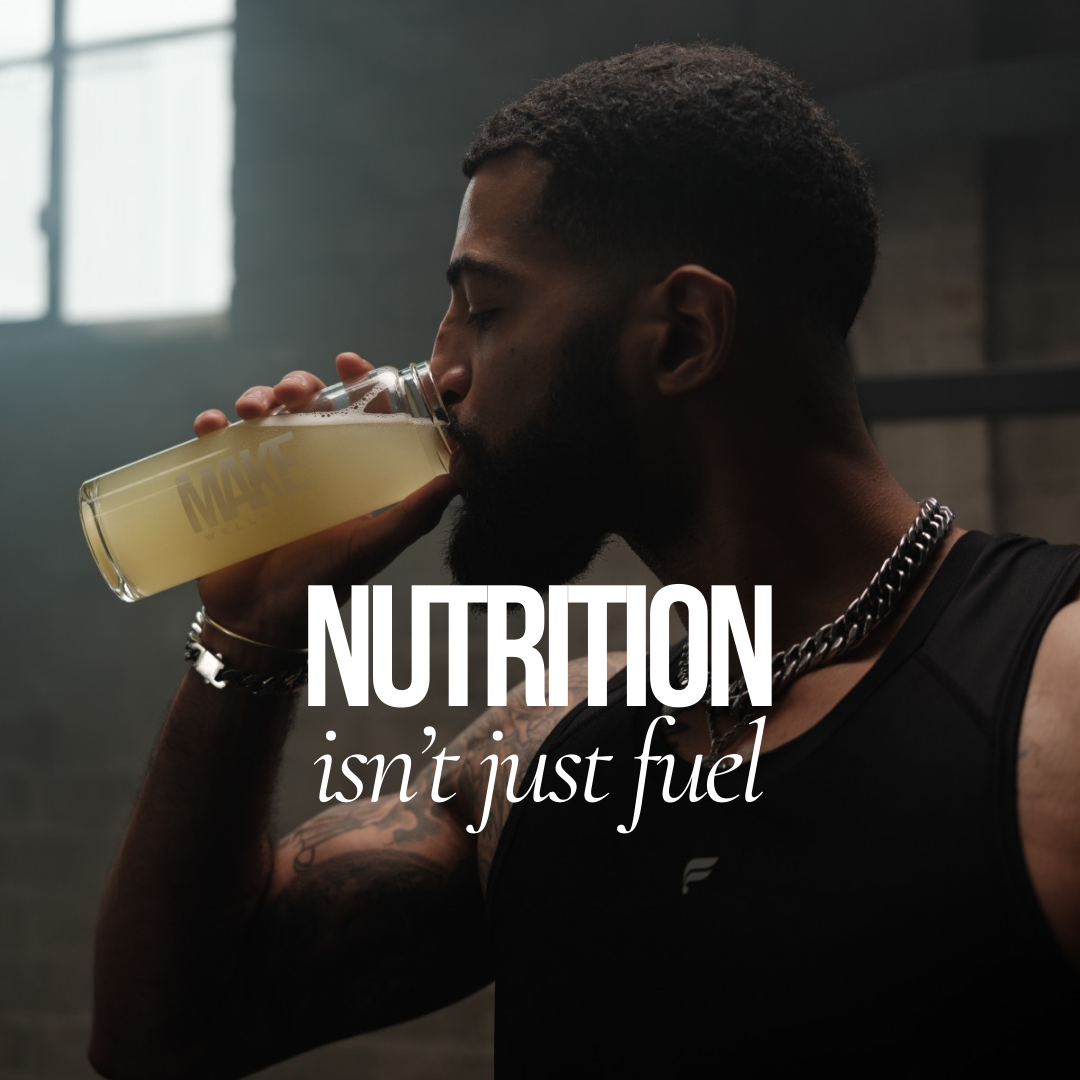
Rather than rigid plans, nutrition works best when it supports the body across energy, recovery, and resilience. When nutrition supports energy, sleep, movement, and mental wellbeing, everything else becomes easier to maintain.
Most people think of nutrition as a body-shape conversation.
Calories in. Calories out.
Good foods. Bad foods.
But nutrition plays a much larger role than appearance alone. It influences sleep quality, mood, energy, immune function, and how resilient the body is over time.
That’s why nutrition isn’t a standalone habit. It’s one of the four interconnected pillars of health.
Health functions more like a table than a checklist.
The four pillars — nutrition, movement, sleep, and mental wellbeing — support one another. When one weakens, the others feel it.
Nutrition, in particular, has a unique ability to influence all three of the other pillars at once.
Research continues to show a connection between dietary patterns and mental wellbeing.
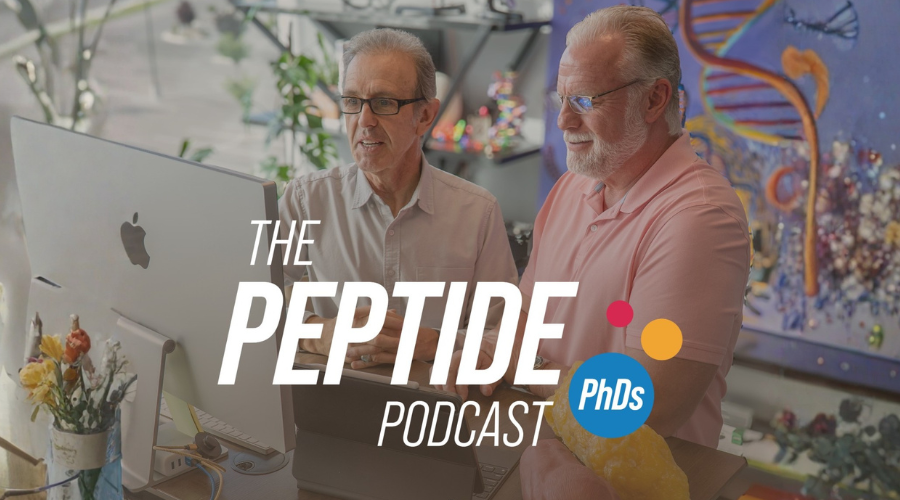
In one recent observational study discussed on The Peptide PhDs Podcast, researchers compared two commonly recommended diets and looked at how they affected mood, sleep quality, and daily rhythms.
Both diets were associated with improvements in mental health and sleep — though in different ways.
What stood out wasn’t the specific diet. It was the pattern.
Diets that emphasized whole foods, color, and minimal processing tended to support:
What you eat affects the brain as directly as it affects the rest of the body.
One of the biggest misconceptions about nutrition is that there’s one “right” way to eat.
In reality, diets are highly individualized. The best diet for you is the one that:
Your body gives feedback constantly. The challenge is learning how to listen to it.

Nutrition science has a long history of swinging extremes.
At different points, fat, carbohydrates, and protein have each taken turns being labeled “the problem.”
All macronutrients play essential roles.
Issues tend to arise not from macronutrients themselves, but from highly processed forms and imbalances over time.

What and how we eat also influences long-term health.
Excessive caloric intake, constant snacking, and high sugar consumption can accelerate processes like inflammation and protein damage. Over time, this affects metabolic efficiency, tissue quality, and resilience.
On the other hand, nutrient-dense diets that prioritize quality over quantity tend to support healthier aging.
MAKE Wellness FIT and Lean work together to support strength, recovery, and metabolic balance; the two-step formula for better wellness.
read
Stay energized this summer with MAKE Wellness. Discover 3 practical strategies to maintain focus, motivation, and vitality even during busy days.
read
Quality sleep is your body’s best recovery tool. Learn how sleep needs shift by age, how many hours are recommended at different life stages, and why rest is one of the simplest ways to support healthy aging.
read
