Canadians Enjoy FREE Shipping & Handling for a limited time!

Practical tips for getting the deep restorative sleep your body craves
With the pace of life accelerating, wellness now means more than simply working out or watching what you eat. It’s a holistic approach that encompasses physical health, mental clarity, emotional balance, and overall vitality. Yet, amid the hustle and bustle, one crucial element often gets overlooked: sleep. Not just any sleep, deep, restorative sleep, which is quietly working behind the scenes to keep your body and mind functioning at their best. If you’re seeking a true upgrade to your wellness routine, it’s time to give sleep the attention it deserves.
Most of us understand that sleep is essential, but few realize just how vital it is for our body's recovery and regulation. When we think about health, we often focus on nutrition and exercise. But sleep is the vital third pillar: the foundation that supports all other aspects of well-being. During deep sleep, also known as slow-wave sleep or non-REM stage 3, your body enters a state of profound rest that triggers a cascade of vital processes. This period isn’t just about feeling refreshed; it’s about repair, renewal, and regulation at the cellular level. For example, during this phase of sleep, your body ramps up the production of growth hormone. This powerful hormone is responsible for tissue growth, cell repair, and muscle regeneration.
Whether you’re lifting weights, running, or just staying active, your muscles sustain tiny tears and damage. Deep sleep acts as the body's repair shop. Growth hormone facilitates the rebuilding process, helping muscles recover stronger and more resilient. Skimp on sleep and your muscles may not recover fully, leading to fatigue, soreness, and even increased injury risk.

Have you ever had a morning where you woke up feeling foggy or forgetful? That’s often linked to insufficient deep sleep. During this stage, your brain consolidates memories from the day, transferring information from short-term to long-term storage. It’s essentially organizing your mental files and clearing out unnecessary clutter.
Furthermore, recent research highlights sleep’s role in brain detoxification. During deep sleep, the brain’s glymphatic system, a network of waste-clearance pathways, becomes highly active; it flushes out toxins like beta-amyloid proteins associated with Alzheimer’s disease. This cleaning process is vital for maintaining cognitive health and sharpness over time.
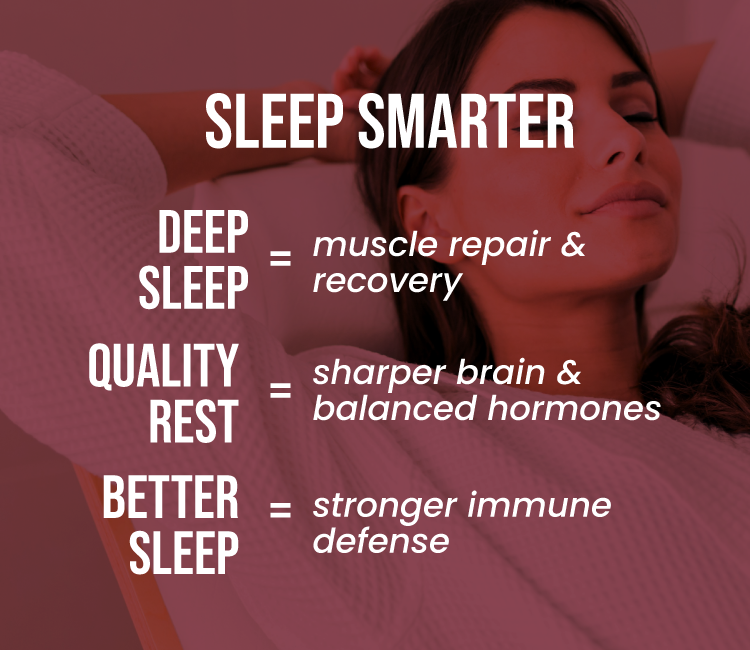
Sleep doesn’t just affect muscles and the brain; it’s a key regulator of hormones that control hunger and satiety. Two hormones, leptin and ghrelin, are at the center of this balance. Leptin signals fullness and helps suppress appetite, and ghrelin stimulates hunger and promotes food intake,
When you’re sleep-deprived, leptin levels drop, and ghrelin levels rise. This imbalance makes you feel hungrier and less satisfied after meals, often leading to overeating. Over time, this disrupted hormonal signalling can contribute to weight gain and metabolic issues. Prioritizing deep, quality sleep helps maintain the delicate hormonal balance that keeps appetite in check and supports healthy body weight.
In addition to muscle and brain health, sleep plays a crucial role in immune function. During deep sleep, your body produces cytokines, proteins help maintain healthy immune responses. Quality sleep also supports the activity of natural killer cells, which contribute to your body’s natural defense and overall immune balance.
Regular, restorative sleep ensures your immune system is primed and ready to defend against illnesses. Conversely, persistent sleep deprivation can weaken immune responses, making you more vulnerable to colds, flu, and other infections. In the context of global health challenges, optimizing sleep is more important than ever for keeping your immune defenses robust.
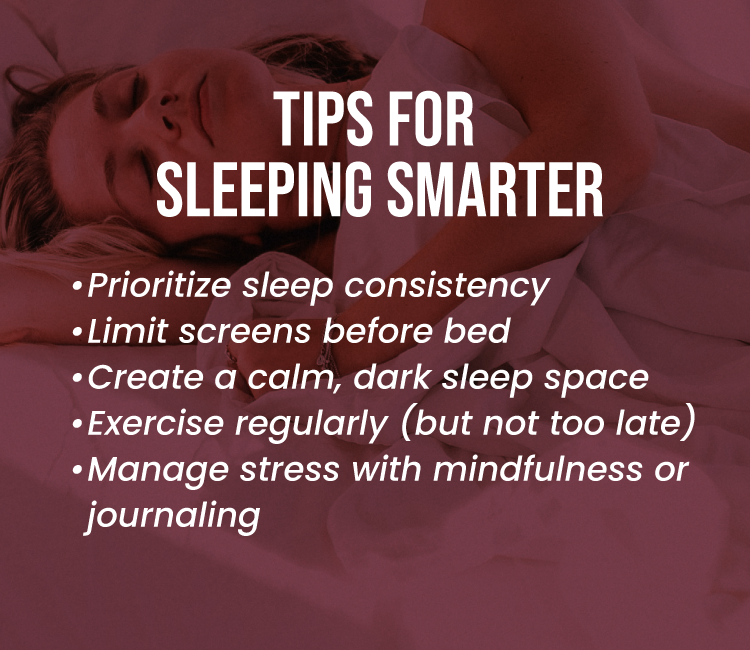
Now that we understand how vital deep sleep is, the next step is making sure you get enough of it. Here are some practical tips:
Sleep is far from being a passive activity. It’s an active, restorative process that influences nearly every aspect of your health, from muscle repair and brain function to hormonal balance and immune defense. When you neglect sleep, you’re missing out on a powerful wellness tool that works tirelessly behind the scenes. By making sleep a priority, just as you would with nutrition and exercise, you’re investing in your long-term health and vitality. Sleep smarter, and watch as your body and mind thrive, unlocking their full potential.
Remember: the best workout isn’t just about pushing your body during the day; it’s also about giving it the rest it needs at night. Tonight, commit to improving your sleep and embrace the missing piece in your wellness routine.

I’ve spent decades chasing excellence and MAKE Wellness helps me sustain it with strength, clarify and recovery.
read.png)

From NCAA champion to lifelong competitor, Tyler found in MAKE Wellness the tools, energy, and community to push boundaries in sport and in life.
read
