Canadians Enjoy FREE Shipping & Handling for a limited time!

Effective resistance training doesn’t require maximal loads or long gym sessions.
When people talk about strength training, aesthetics often dominate the conversation.
But muscle plays a much deeper role than appearance, especially over time.
As we age, muscle mass naturally declines. This process, known as sarcopenia, affects more than strength.
Lower muscle mass is associated with:
Preserving muscle helps maintain resilience across multiple systems.
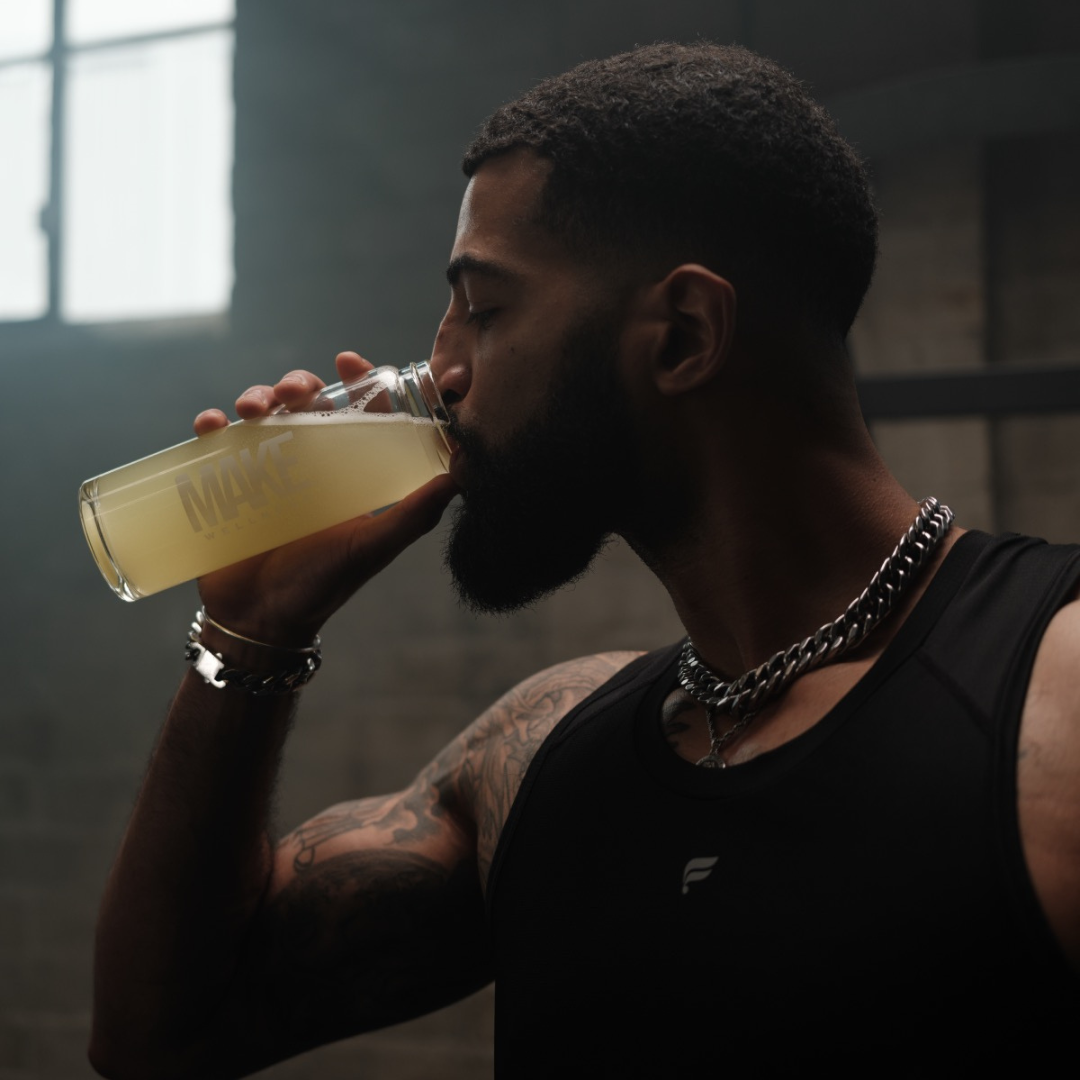
Muscle tissue helps regulate how the body uses energy. It also acts as a reserve during illness or stress.
When muscle mass is maintained:
Strength training supports long-term health, not just performance goals.
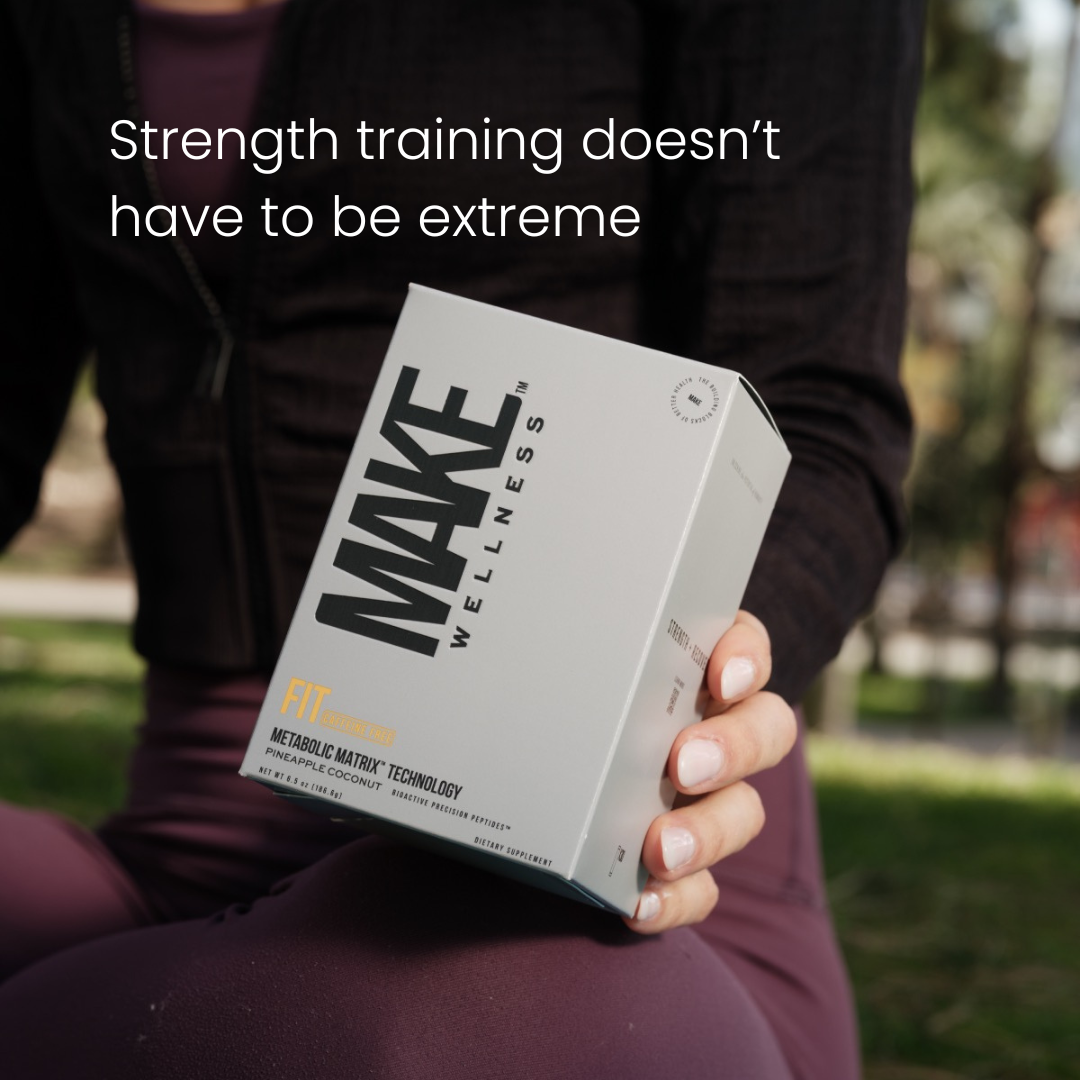
Progressive, intentional movement — like gradually increasing resistance, walking regularly, or adding structure to weekly training — tends to produce the most reliable benefits over time.
What matters most is sending the body a clear signal that strength is needed.
.png)
Discover how AI is transforming aging and longevity with MAKE Wellness. Explore technology-driven insights for health, vitality, and a longer, stronger life.
read
Explore Dr. Mark’s Science Corner series with MAKE Wellness. Learn about peptides science and how bioactive peptides support energy, focus, and wellness.
read
Learn the science behind MAKE Wellness Energized Passionfruit. Enjoy clean, crash-free energy that supports focus, vitality, and daily performance naturally.
read
