Canadians Enjoy FREE Shipping & Handling for a limited time!
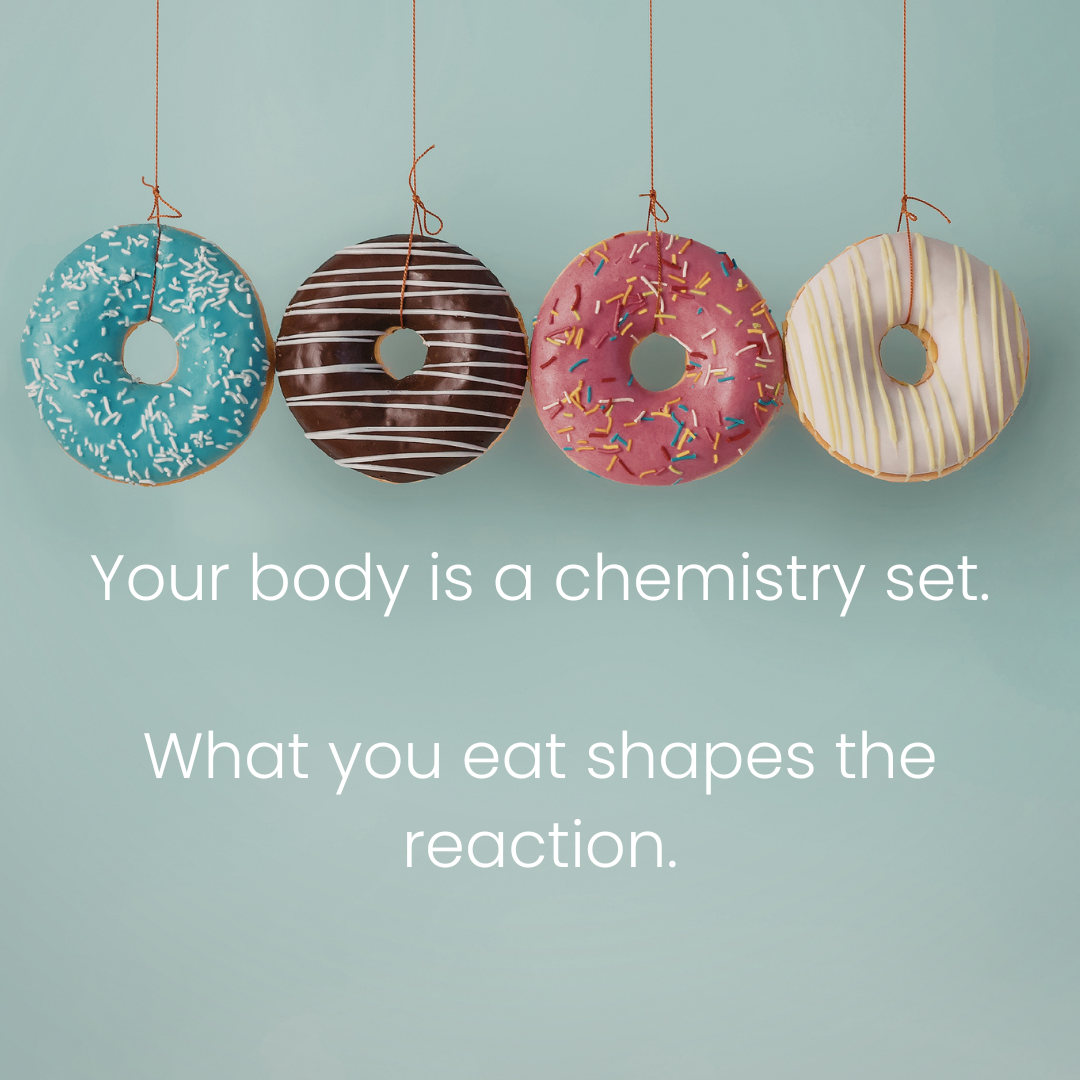
Nutrition advice has a reputation for being loud, contradictory, and exhausting.
One decade fat is the problem.
The next, carbohydrates take the blame.
Then protein gets dragged into the spotlight.
But beneath the noise, the biology hasn’t changed much.
Your body still operates like a chemistry set, responding to what you feed it through thousands of interconnected reactions that affect energy, mood, sleep, and long-term health.

Nutrition is one of four core pillars of health, alongside movement, sleep, and mental wellbeing.
The important part isn’t that these pillars exist.
It’s that they constantly influence one another.
What you eat affects how you sleep.
Sleep influences appetite and decision-making.
Energy levels shape movement.
Stress changes how the body processes nutrients.
Nothing happens in isolation.

Modern food environments are very different from the ones our biology evolved in.
From a biochemical perspective, this creates a mismatch. Hunger signals remain active, but the body doesn’t receive the nutrients it’s actually looking for.
The result is often constant appetite without true satisfaction.
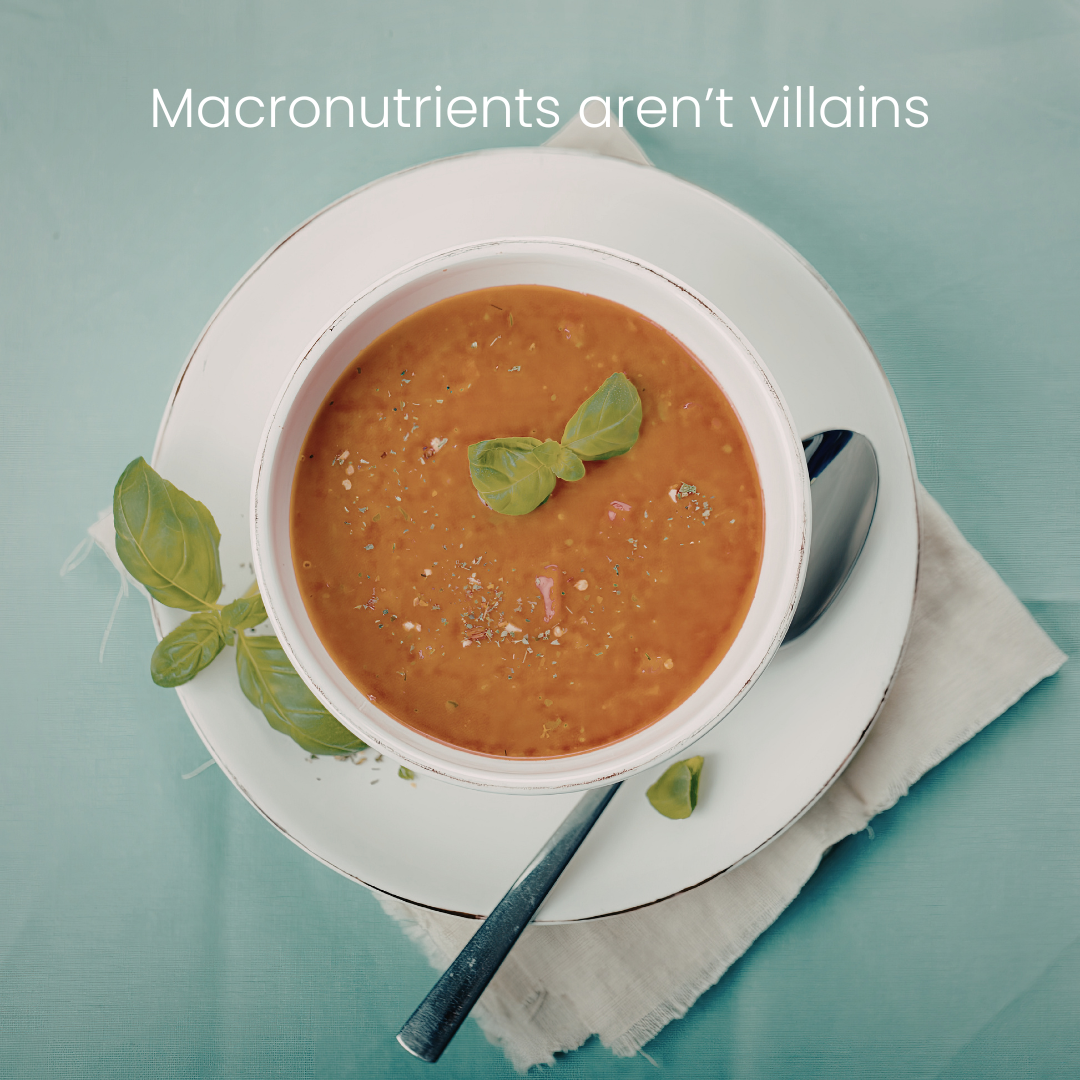
Fat, protein, and carbohydrates all serve essential roles.
Problems tend to arise not from these nutrients themselves, but from imbalance, processing, and quantity over time.
The body responds best when macronutrients are paired with nutrient density and variety.

Vitamins and minerals don’t get much attention, but they act as cofactors for the enzymes that drive nearly every chemical reaction in the body.
When intake is marginal, the body prioritizes survival over long-term repair. Energy production gets resources first. Maintenance and resilience get what’s left.
Over time, this tradeoff matters.
Research into caloric restriction and time-restricted eating suggests that spacing meals and avoiding constant intake may support metabolic efficiency.
This isn’t about deprivation.
It’s about allowing the body time to complete repair processes like autophagy and mitochondrial renewal.
In practical terms, it often looks like eating intentionally rather than continuously.

Plant pigments exist for a reason.
Polyphenols, carotenoids, and flavonoids act as antioxidants that help regulate oxidative stress. This is one reason diets rich in colorful fruits and vegetables tend to support long-term health.
A plate with variety usually signals nutrient diversity.
Humans evolved in scarcity. Constant food availability is new.
The drive to eat frequently isn’t a lack of discipline. It’s a default biological setting interacting with a modern environment.
Supporting better choices often requires supporting biology, not just willpower.
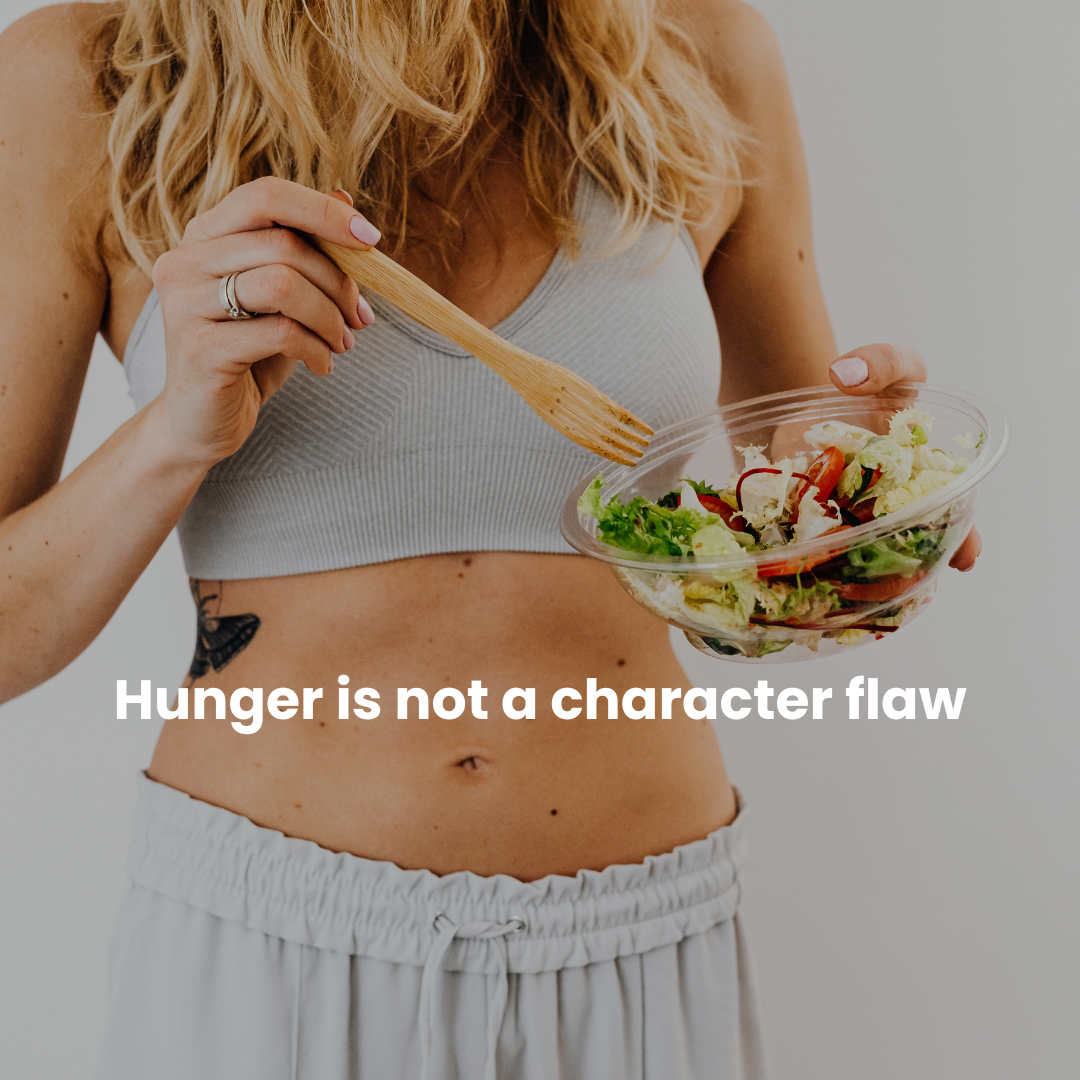
Nutrition isn’t about control or perfection.
It’s about providing the right inputs so the system can function smoothly across energy, mood, sleep, and movement.
When food works with the body instead of against it, everything downstream becomes easier.

Discover how MAKE Wellness products like Fit and Hydrated became a daily routine, supporting strength, recovery, hydration, and overall wellness.
read
Discover wellness trends in 2025 with MAKE Wellness. Stay ahead with insights on health, bioactive peptides, energy, focus, and holistic well-being.
read
Effective resistance training doesn’t require maximal loads or long gym sessions.
read
